
Zigzag - Dog & Puppy Training
Petcare Services LtdEducation
4.5270.00 Reviews
- Version
- 7.2.4
- Installs
- 500.00K
- Age Rating
- Everyone
Screenshots

Our Review of Zigzag - Dog & Puppy Training
 Analysis by Appyee
Training a puppy is rarely difficult because the owner lacks affection. It is difficult because the right response often has to happen at the right moment, and the advice that works for one dog may confuse another. Zigzag - Dog & Puppy Training takes a useful approach to that problem: it presents a science-backed training program tailored to a dog’s age and breed. After spending time with the app, I found that its real value is not simply collecting commands in one place. It is helping turn puppy training into a routine instead of a series of improvised reactions.
This is an education app from Petcare Services Ltd, available for free to users who meet its platform requirements. It has built a strong audience, with more than 500 thousand installs and an average rating of 4.5 from roughly 5 thousand ratings. Those figures do not replace personal experience, but they do suggest that the format has connected with many dog owners. I can understand why: the app is aimed at the everyday uncertainty of raising a young dog, not at people who already have a precise training system.
Personalized training is the feature that matters most
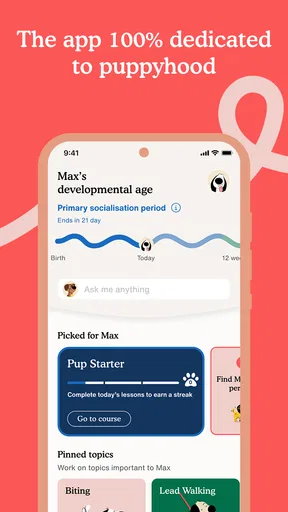
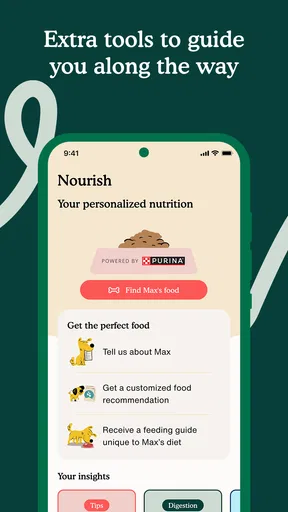
The central capability is the tailoring by age and breed. That sounds straightforward, but it changes how I read the guidance. A young puppy needs different expectations from an adolescent dog, and a small companion breed may not respond to a situation in exactly the same way as a larger, more physically powerful dog. By placing those differences near the beginning of the experience, Zigzag encourages me to think about the individual dog rather than treating every puppy as a blank template.
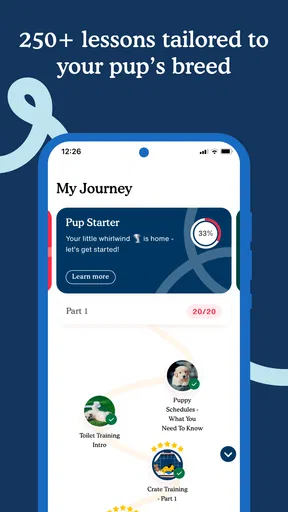
In practice, this makes the app feel more like a guided learning path than a static library of dog-training articles. The distinction matters. With a conventional search engine, I might look up “how to stop biting,” read several conflicting suggestions, and then try whichever one sounds easiest. A tailored program gives me a better chance of following a consistent approach. The strongest benefit is continuity: each small lesson becomes part of a broader habit instead of an isolated tip.
I also appreciate the science-backed positioning when it is used as a reason to favor clear, repeatable training over dramatic corrections. Puppy owners are often exposed to advice that promises instant obedience or treats normal development as defiance. A structured educational app can help replace that frustration with more realistic expectations. It does not make the work disappear, but it can make the work easier to understand.
The app is rated for Everyone, which fits its subject and presentation. It is suitable for a household where several people share responsibility for a puppy, although the quality of the results will still depend on whether everyone follows the same approach. A training plan is only as reliable as the least consistent person using it. That is an important point for families: the app can provide a common reference, but it cannot make different household rules agree automatically.
What personalization changes during a normal week
Age-based guidance is especially useful during the first weeks at home. A puppy may be learning where to sleep, how to settle, how to respond to its name, and how to cope with short separations. If I try to solve all of those problems at once, I quickly lose track of what I am reinforcing. A tailored sequence encourages me to concentrate on the stage my dog is actually in, which makes short practice sessions more manageable.
Breed tailoring is best understood as context rather than a guarantee. Breed labels can suggest tendencies, but individual temperament, health, previous experience, and living environment still matter. I would not use the app’s tailoring as a reason to ignore what my dog is showing me. Instead, I treat it as a starting point that helps me ask better questions: Is this behavior age-appropriate? Is my expectation too advanced? Does the dog need a calmer setup before learning the next skill?
That way of thinking is one of the less obvious advantages. The app is not merely telling me what to do; it can improve the timing of my decisions. When a puppy has just arrived, owners often reward behavior accidentally, repeat commands too many times, or move to a harder exercise before the dog is ready. A guided program gives those moments a place in a larger progression, which makes it easier to notice patterns.
How the program works in everyday use
I would approach Zigzag as a daily companion rather than something to open only after a problem appears. The most effective routine is to check the current guidance before a practice period, prepare the rewards or environment, and then keep the session brief enough that the puppy can finish successfully. Afterward, I would make a mental note of what worked and what caused confusion before moving forward.
This workflow is more valuable than simply reading instructions. Training advice often fails at the transition between understanding a technique and using it in a busy home. A puppy may be excited, a visitor may be arriving, or the owner may be tired after work. The app’s tailored structure gives me a prompt to pause and choose one manageable objective instead of trying to correct every behavior at the same time.
A realistic example would be a puppy that becomes mouthy in the evening. I would not treat the app as a magic button that switches the behavior off. I would use the relevant guidance to decide what response to repeat, remove opportunities for the behavior to become a game, and practice an alternative when the puppy is calmer. The important change is that I am following a plan rather than reacting with a different response each night. Consistency is often the missing ingredient in this kind of household problem.
Another useful scenario is a new owner who has ten minutes before leaving for work. Instead of attempting a long training session, I would select one small exercise, remove distractions, and stop while the puppy is still engaged. That approach also helps prevent a common mistake: measuring success by how many commands the dog performs. A calm repetition, a quick response, or a successful pause can be more meaningful than rushing through a long list.
Making the guidance work in a shared home
If several people care for the dog, I would keep the app available as a shared reference and agree on a few household rules outside the training session. For example, everyone should know which behavior earns attention and which behavior leads to a quiet pause. The app can support the learning plan, but it cannot resolve disagreements such as whether the puppy is allowed on furniture or whether jumping receives a greeting.
This is also where I see a practical limitation. A digital program can be present when I remember to use it, but it cannot observe the entire home. If the puppy behaves differently with each family member, I still need to examine the surrounding routine. One person may reward jumping without realizing it, while another may expect the dog to settle immediately. Zigzag is most useful when I combine its guidance with honest observation of what people are doing.
Owners should also think about the difference between training at home and training in the world. A puppy may respond beautifully in a quiet room and then lose focus near traffic, other dogs, or unfamiliar people. I would use the app to build a foundation, then increase distractions gradually rather than assuming that a completed indoor exercise transfers automatically outdoors. This is a realistic trade-off of app-based learning: it can organize practice, but the owner must create the conditions for generalization.
The best scenario for using Zigzag
The app is at its best for a first-time puppy owner who wants a clear path through the early months. Imagine someone bringing home a puppy while working full time. They have read contradictory advice, worry about making mistakes, and need to decide what to focus on tonight rather than what to master over the entire year. The age-and-breed tailoring gives that owner a sensible starting point and reduces the temptation to jump between unrelated online tips.
In that situation, I would use Zigzag before the puppy arrives to understand the kind of routine the program expects, then return to it at consistent times during the day. A short morning exercise, a calm repetition later, and a review before bedtime would be more realistic than waiting for a large block of free time. The app fits owners who benefit from prompts and progression, especially when they are still learning how to read puppy behavior.
It can also help a person who has owned dogs before but is raising a different type of puppy. Previous experience is useful, yet it can create assumptions. A method that worked with a confident adult dog may not suit a sensitive puppy, and a familiar command may be introduced too quickly. The tailored structure encourages me to revisit the basics and adapt expectations instead of relying entirely on memory.
I would be more cautious about recommending it as the only resource for serious behavior concerns. A puppy showing intense fear, aggression, signs of pain, or a sudden major change in behavior needs appropriate professional and veterinary attention. An educational app can help with everyday learning, but it should not be treated as a substitute for an in-person assessment when safety or health is involved.
Why it can beat random videos and generic articles
The usual alternative is a mixture of search results, short videos, advice from friends, and social-media posts. That material can be helpful, but it often has three weaknesses: it may be aimed at a different age, it may assume a different temperament, and it rarely tells me what to practice next. Zigzag’s advantage is the connection between the dog’s profile and a continuing program.
That does not mean every online resource is inferior. A reputable trainer’s long-form demonstration may show body language more clearly than written guidance, and local classes offer feedback that an app cannot provide. If I learn best by watching someone handle a real dog, or if my puppy becomes distracted by every home exercise, an in-person class may be the better primary choice. I see Zigzag as especially strong for organizing daily practice, not as a universal replacement for hands-on coaching.
Compared with a paper training book, the app is easier to consult in the moment and more likely to feel connected to the dog’s current stage. A book can still be better for deep background reading or for owners who dislike screen time. The choice comes down to workflow: Zigzag suits someone who wants guidance to fit into the day, while a book suits someone who prefers to study a complete method in advance.
Trade-offs, cost, and the commitment behind the plan
Zigzag is free to download and use at its entry level, but it includes in-app purchases ranging from $8.99 to $49.99 per item. I would check which part of the program is available without payment before building my entire routine around it. The free access lowers the barrier to trying the approach, while the paid options mean that owners should decide whether the additional guidance is worth the expense for their particular dog.
That pricing structure creates a practical trade-off. If the app becomes a daily reference and saves me from constantly searching for advice, paying for more content may feel reasonable. If I only need help with one narrow issue, a local class, a trusted book, or a focused consultation could offer better value. I would not pay simply because the program is personalized; I would pay only if the added material changes what I can do consistently at home.
The current version is 7.2.4, and the app requires at least iOS or Android 11. That requirement is comfortable for many recent phones, but it matters if I am trying to use an older device or a hand-me-down phone kept in the kitchen. I would check compatibility before planning to rely on it during the puppy’s first days. A training tool is most useful when it is available exactly when I need it.
There is also a mental trade-off. A structured program can reduce uncertainty, but it may make some owners feel they are falling behind if their puppy does not progress neatly. Dogs do not develop according to a perfect calendar. I would use the program as a guide, not a scoreboard. Repeating an earlier lesson is not failure; it may be the correct response to a distracting week, a growth phase, or a change in the home.
Small habits that improve the results
My first tip is to prepare the environment before opening the lesson. Put away tempting objects, choose rewards in advance, and decide what success will look like. This prevents the app from becoming a source of instructions that I read while the puppy is already jumping, barking, or running away. Preparation turns the guidance into action.
My second tip is to use the dog’s ordinary day as training material. Waiting for food, coming through a doorway, settling while I make coffee, and greeting a family member can all become opportunities to reinforce calm behavior. The app’s structured lessons are easier to maintain when they connect with routines that already happen, rather than requiring a completely separate schedule.
My third tip is to change only one variable at a time. If the puppy is learning to respond to a cue, I would not simultaneously move to a noisy park, remove rewards, and expect a longer duration. When a session fails, simplifying the environment tells me more than repeating the same instruction louder. This is where a science-backed, progressive mindset has a real effect: it encourages me to test the setup instead of blaming the dog.
I would also keep an eye on the puppy’s energy. Evening problems are sometimes made worse by exhaustion or overstimulation, and a longer lesson may be the wrong answer. A short calming routine can be more useful than another attempt at obedience. Zigzag is most effective when I apply its educational direction with attention to the dog in front of me, not when I follow a lesson mechanically.
Who will gain the most from this app
The best match is an owner who wants structure, has a puppy young enough for foundational habits to matter, and is willing to practice consistently. It is particularly helpful for people who feel overwhelmed by conflicting advice and want age- and breed-aware direction without assembling a program from scattered sources. It also suits households that need a shared starting point before they add more advanced training.
I would recommend it less strongly to experienced handlers who already follow a detailed method and know how to adjust it. They may find more value in specialized coaching for a particular sport, behavior challenge, or working goal. I would also hesitate if the dog’s main issue is severe, dangerous, or medically connected. In those cases, personal assessment should come first, with an app serving only as supplementary education if appropriate.
For everyone else, the deciding question is not whether Zigzag contains enough advice to read. The better question is whether its tailored program will help you practice a little more consistently tomorrow. If the answer is yes, the app can be genuinely useful. Its strongest contribution is modest but important: it gives everyday puppy training a sequence, a reason for adapting expectations, and a way to replace hurried reactions with repeatable choices.
After reviewing it, I see Zigzag - Dog & Puppy Training as a practical education app rather than a shortcut to a perfectly behaved dog. Petcare Services Ltd has focused the experience on a problem owners actually face: knowing what to work on now and how a dog’s age and breed should influence that choice. The free starting point makes it approachable, while the optional purchases and the need for steady human follow-through deserve consideration.
My recommendation is to try it if you want a guided routine and are prepared to do the real-world practice yourself. It will not replace patience, observation, veterinary care, or a qualified trainer when those are needed. But for ordinary puppy learning, especially in a busy home where consistency is hard to maintain, its tailored approach can make the next training decision clearer and the whole process less chaotic.
Verdict
Strengths of Zigzag - Dog & Puppy Training
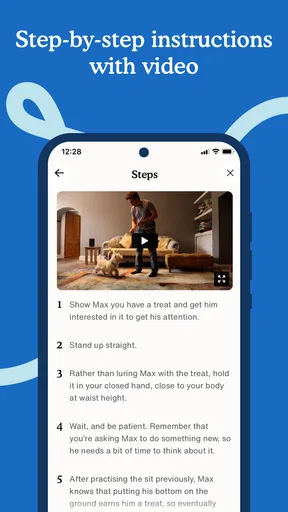
- Step-by-step lessons are easy for first-time dog owners to follow.
- Covers useful basics such as manners, commands, and puppy habits.
- Short training activities can fit conveniently into a busy daily routine.
- Progress tracking helps owners stay consistent with their training plan.
- Positive-reinforcement guidance encourages a kinder training approach.
Limitations of Zigzag - Dog & Puppy Training
- Some advanced training content may require a paid subscription.
- Advice may need adapting for different breeds, ages, and temperaments.
- The app cannot replace professional help for serious behavior problems.
- Consistent results still depend on daily practice outside the app.
- Some users may prefer video demonstrations over written instructions.
Similar Picks in This Category
View All
Duolingo: Language Lessons
Duolingo4.7

Google Classroom
Google LLC2.8

Unacademy: Learn & Crack Exams
Unacademy3.2

Bible App for Kids
Life.Church4.4

Cake - Learn English & Korean
Cake Corp.4.7

Brainly: AI Homework Helper
Brainly4.5
Frequently Asked Questions
What is Zigzag - Dog & Puppy Training, and who is it designed for?
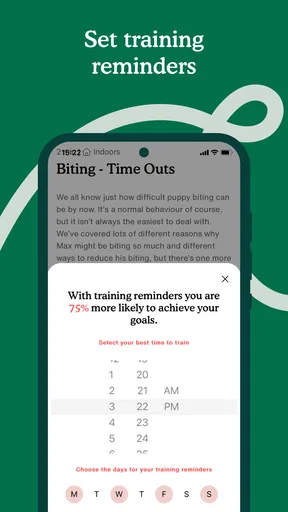
Zigzag - Dog & Puppy Training is a guided training app designed mainly for puppies and their owners, although many lessons can also help with younger or newly adopted dogs. It provides a structured routine with training exercises, advice, reminders, and age-appropriate guidance. The app is especially useful for first-time dog owners who want a clear daily plan instead of searching for unrelated training tips online.
What types of training and behavior problems does Zigzag cover?
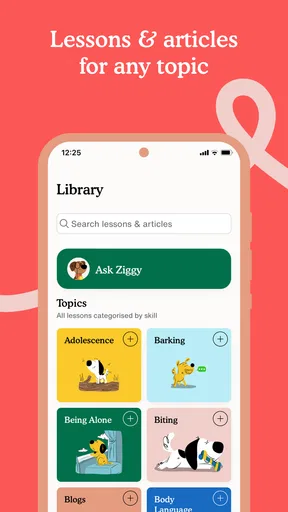
The app covers common puppy-training topics such as name recognition, recall, sit, stay, leash manners, crate training, toilet training, biting, chewing, jumping, barking, and socialization. Its lessons generally break behaviors into manageable steps and encourage positive reinforcement. Results can vary depending on the dog’s age, breed, temperament, consistency, and home environment, so the app should be viewed as guidance rather than an instant solution.
Is Zigzag - Dog & Puppy Training free to download and use?
Zigzag can typically be downloaded at no initial cost, but some of its more complete training plans, personalized content, or premium features may require a subscription or in-app purchase. Before starting a trial, check the current pricing, renewal terms, and cancellation instructions shown in the App Store or Google Play listing. Availability and subscription options may differ between Android, iOS, and different regions.
Can Zigzag create a training plan for my specific puppy?
The app is designed to make training more personalized by using information such as your puppy’s age, experience, and development stage to recommend suitable activities. This can make the daily routine easier to follow than a generic checklist. However, personalization has limits: it cannot fully assess your dog’s health, history, living conditions, or emotional state. Owners should adjust exercises when a puppy becomes stressed, tired, or confused.
Can Zigzag replace a professional dog trainer or veterinarian?
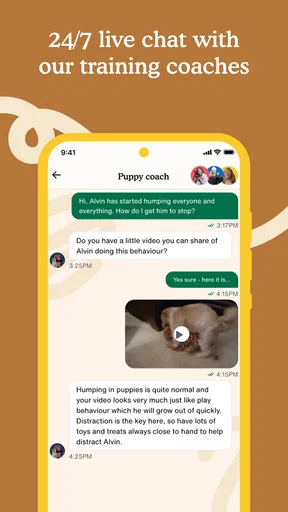
No. Zigzag is a helpful educational tool, but it should not replace a qualified trainer, veterinary professional, or certified behaviorist. Contact a veterinarian for health concerns, sudden behavior changes, pain, feeding issues, or developmental questions. For aggression, severe fear, separation distress, or dangerous behavior, seek professional assistance promptly. The app works best as a supplement to patient, consistent training and responsible supervision.
